
Contributor guide. This is guidance for sharing your own work, not a submitted community account.
Someone remembers a building as the place where their family gathered; a document might give its former use a different name. Those accounts can sit beside each other in a Connecticut city story, but they should not be blended into one certainty. Local history becomes richer when readers can see where each piece of knowledge comes from.
Name what kind of memory it is
When you share a recollection, say whose memory it is and how you know it. A firsthand account, a story passed down by a relative, and a detail found in a record each have different limits. Naming those limits does not diminish the story; it gives readers a fair way to understand it.
Specific details can make a memory vivid, but vividness is not the same as verification. If you are uncertain about a year, a street name, or who was present, mark that uncertainty in your notes. Editors can then follow up rather than accidentally turning a rough memory into a firm historical claim.
Keep the questions visible
A story may begin with a question about a building, a family photograph, or a change someone remembers seeing on their block. You do not need to resolve every question before submitting it. Share what you remember and say where details are uncertain. Documents or additional context are welcome if you already have them, but research and source notes are not required.
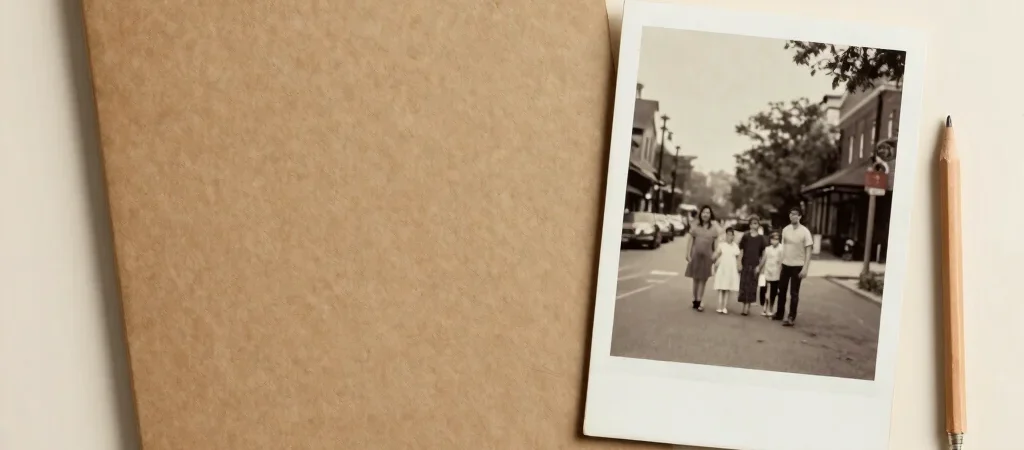
Photographs also need their own context: who made them, roughly when, and what the contributor knows about the scene. An image with an uncertain date should not be captioned as if the date were established. When details are missing, saying so is more useful than filling the gap with a guess.
Make room for more voices
No single person can speak for an entire neighborhood, and one account rarely holds every perspective on a shared place. If a story concerns other people, consider who has not yet been asked and whether they would want to contribute. Listening can change the story’s shape in ways a writer could not anticipate alone.
CC Urban welcomes recollections in your own words. We label them “Community Memory” or “Personal Story” to make clear that they reflect the contributor’s perspective and are not independently verified in every detail. Our review focuses on clarity, respect, privacy, and permission to publish; sensitive claims may need additional checking. Different memories and thoughtful corrections are welcome.